

Passer au contenu principal
Skip to footer

SKILLS GAPS & BUSINESS PERFORMANCE

Workforce skills and business performance

Communication skills gaps affect productivity, collaboration and business performance, and how organizations can support workforce development.

Two mens
{"theme":"toeic-xlight","enableAnimation":false,"columnDistribution":"1:1","Cards":[{"line":false,"lineColor":"yellow","description":"\u003ch2\u003e\u003cspan class\u003d\"heading2\"\u003eHow do communication skills gaps affect business performance?\u003c/span\u003e\u003c/h2\u003e\r\n\u003cp\u003eCommunication plays a central role in how organizations operate. Employees rely on communication skills to exchange information, collaborate with colleagues and complete workplace tasks.\u003c/p\u003e\r\n\u003cp\u003eAs communication demands continue to evolve, organizations need a clearer understanding of the capabilities required for success. Without visibility into workplace communication skills, it can be difficult to identify development priorities or address gaps that may be affecting performance.\u003c/p\u003e\r\n\u003cp\u003eBy understanding current capabilities and aligning development efforts to business needs, organizations can strengthen communication across the workforce and support productivity, collaboration and long-term growth.\u003c/p\u003e\r\n","assetType":"image","imageUrl":"/content/dam/ets-org/brands/toeic/two-people-in-site.jpg","contentReverse":false,"formConfiguration":{},"formMessage":{}}],"dataLayer":{}}

Why communication capability matters

Communication supports the day-to-day activities that keep organizations moving forward. Employees use communication skills to participate in meetings, interpret instructions, solve problems and interact with customers and stakeholders.

When communication is effective, information moves efficiently across teams and employees can focus on completing work. When communication challenges arise, the effects often appear as operational issues rather than communication issues.

Organizations may experience:

  • Delayed projects and slower execution
  • Misunderstandings that create rework
  • Inefficient knowledge sharing
  • Inconsistent communication across teams
  • Additional time spent clarifying information

Communication is often viewed as a soft skill, yet many organizations increasingly recognize it as a business-critical competency. Communication capability supports productivity, collaboration and business performance while helping employees work effectively across workplace environments.

Two girls and a boy

How communication capability supports business performance


Communication influences more than individual interactions. It affects how effectively employees work together to achieve business objectives.

When communication capabilities do not align with workplace demands, organizations may experience communication skills gaps that affect how work gets done. These gaps can influence productivity, collaboration and execution across teams and functions.


Productivity

Employees spend a significant portion of their workday reading information, participating in discussions and collaborating with colleagues. When communication is clear, work can progress more efficiently. When communication gaps exist, additional time may be spent clarifying expectations, correcting misunderstandings or revisiting completed work.


Collaboration

Effective collaboration depends on a shared understanding of goals, responsibilities and next steps. Communication helps teams align priorities, share knowledge and coordinate activities. When information is not clearly understood or communicated, collaboration becomes more difficult and may slow decision-making.


Execution

Organizations rely on employees to translate plans and priorities into action. Communication capability helps employees understand requirements, interpret information and carry out responsibilities consistently. Strong execution depends not only on technical expertise, but also on the ability to communicate effectively within workplace environments.

What the research tells us

Employers increasingly recognize communication as a business capability
 

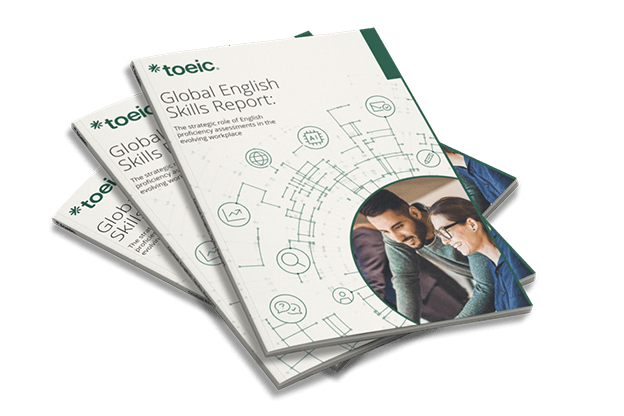
Findings from the TOEIC® Global English Skills Report suggest that employers are placing greater importance on workplace communication skills and English proficiency.

  • 90% of employers say English proficiency is critical to organizational success.
  • 92% say English proficiency is more important today than it was five years ago.
  • 81% say AI is increasing the need for workplace English proficiency.

Organizations increasingly view communication capability as more than an individual skill, recognizing its role in supporting collaboration, productivity and organizational effectiveness.

GESR

Understanding where communication gaps impact business results


Organizations often recognize the symptoms of communication challenges but may have difficulty identifying the underlying cause.

A communication skills gap exists when workforce communication capabilities do not align with workplace requirements. Communication requirements differ across roles, teams and business functions. Understanding those differences helps organizations identify which communication capabilities are most critical to effective job performance and where development efforts may have the greatest impact.

Identifying these gaps helps organizations better understand where communication challenges may be affecting performance and where development efforts may have the greatest impact.


A structured approach begins by examining workplace communication requirements and comparing them with current employee capabilities. Consistent measurement helps create visibility into workforce communication capabilities, providing a foundation for development planning and performance improvement.

This helps organizations:

  • Identify workforce strengths and development opportunities
  • Understand where communication challenges may be affecting performance
  • Prioritize development investments
  • Reduce the business cost of miscommunication
  • Measure progress over time

By connecting communication requirements to workforce capabilities, organizations can make more targeted workforce development decisions rather than relying on broad, one-size-fits-all training approaches.



{"theme":"toeic-xlight","enableAnimation":false,"columnDistribution":"1:1","Cards":[{"line":false,"lineColor":"yellow","description":"\u003ch2\u003e\u003cspan class\u003d\"heading2\" style\u003d\"font-weight: normal;\"\u003eTurning insight into stronger business performance\u003c/span\u003e\u003c/h2\u003e\r\n\u003cp\u003eUnderstanding communication capability is only valuable if the insight leads to action.\u003c/p\u003e\r\n\u003cp\u003eOnce communication skills gaps have been identified, organizations can take a more targeted approach to workforce development, focusing development efforts on the communication capabilities most closely connected to business performance.\u003c/p\u003e\r\n\u003cp\u003eWorkforce development investments are most effective when they are connected to actual workplace requirements and measurable business needs. Understanding current communication capabilities and monitoring progress over time helps organizations determine whether development efforts are aligned with workforce priorities.\u003c/p\u003e\r\n\u003cp\u003e\u003cb\u003eA targeted approach helps organizations:\u003c/b\u003e\u003c/p\u003e\r\n\u003cul\u003e\r\n\u003cli\u003eAlign development with workplace requirements\u003c/li\u003e\r\n\u003cli\u003eFocus resources on areas of greatest need\u003c/li\u003e\r\n\u003cli\u003eSupport employee growth and mobility\u003c/li\u003e\r\n\u003cli\u003eStrengthen collaboration and information sharing\u003c/li\u003e\r\n\u003cli\u003eMeasure improvement over time\u003c/li\u003e\r\n\u003c/ul\u003e\r\n\u003cp\u003eAs organizations pursue growth, transformation and workforce modernization, communication capability becomes increasingly important to sustaining performance and supporting future workforce development.\u003c/p\u003e\r\n","assetType":"image","imageUrl":"/content/dam/ets-org/brands/toeic/two-girls-with-tablet.jpg","contentReverse":false,"formConfiguration":{},"formMessage":{}}],"dataLayer":{}}
{"theme":"toeic-white-green","headingTag":"h3","disableMultiClose":false,"title":"Frequently asked questions","searchEnable":false,"tableborder":true,"dataLayer":{},"questions":[{"title":"What is a workplace communication skills gap?","accordionContent":"\u003cp\u003eA workplace communication skills gap exists when an employee\u0027s current communication capabilities do not fully align with the communication requirements of their role. These gaps may affect how effectively employees share information, collaborate with colleagues and complete workplace tasks.\u003c/p\u003e\r\n"},{"title":"How do communication skills gaps affect business performance?","accordionContent":"\u003cp\u003eCommunication gaps contribute to misunderstandings, delays, rework and inefficient collaboration. Over time, these challenges may affect productivity, operational effectiveness and overall business performance.\u003c/p\u003e\r\n"},{"title":"What is the business cost of ignoring communication skills gaps?","accordionContent":"\u003cp\u003eSkills gaps rarely show up as one obvious problem. Left unaddressed, they appear as slower project timelines, more rework and information that gets lost between teams. Over time, these inefficiencies add up, affecting productivity, collaboration and overall business performance. Understanding workplace English proficiency and communication effectiveness early helps organizations address these costs before they compound.\u003c/p\u003e\r\n"},{"title":"Why is workplace English proficiency considered a business capability?","accordionContent":"\u003cp\u003eWorkplace English proficiency is directly tied to how effectively employees perform day-to-day tasks. That makes it a practical, measurable capability that affects business outcomes.\u003c/p\u003e\r\n"},{"title":"What is the relationship between communication skills and employee productivity?","accordionContent":"\u003cp\u003eCommunication skills help employees understand expectations, access information and coordinate work with others. When communication is clear and effective, employees spend less time resolving misunderstandings and more time focusing on productive work.\u003c/p\u003e\r\n"}]}

Strengthen communication capability across your workforce

Communication skills influence how employees collaborate, share information and execute work. Understanding current workforce capabilities helps organizations identify development priorities, align learning investments with business needs and support stronger performance over time.

By identifying communication skills gaps and aligning development efforts with workplace requirements, organizations can strengthen workforce capability, support employee growth and improve business performance over time.

Skill report