In compliance with a recent U.S. Treasury (OFAC) regulatory change, TOEFL and GRE testing within Iran has been paused effective immediately. Iranian nationals may continue to test outside Iran where testing is available. Affected test takers will be contacted directly regarding cancellations and next steps. [Find out more]

Spain is best known for its beautiful weather and vibrant culture, but the country has also become an increasingly popular destination for international students looking to study in English. Spain offers relatively affordable study options compared to the U.K. and U.S., and its universities are growing in popularly, with many being internationally recognized.
If you’re an international student looking to study in Spain in 2026, you’ll find not only fantastic cultures and internationally recognized universities, but also degrees taught entirely or partly in English, particularly at master's level. To apply to these courses, you’ll likely need to demonstrate your English proficiency, this is where the TOEFL iBT® test can help.
This guide covers everything you need to know about how to study abroad in Spain in 2026, including English-taught programs, universities that accept the TOEFL iBT, typical TOEFL iBT requirements, scholarships, costs, student visas, and TOEFL® preparation for Spain.
Why Study in Spain in 2026?
As an international student, Spain gives you the opportunity to combine a high-quality university education with an exciting cultural and social experience.
From Madrid and Barcelona to Valencia, Seville and Granada, you can choose from a wide variety of university environments and lifestyles based on your interests. Here are some of the most common reasons students choose to study in Spain in 2026.
World-Class Universities
Spain offers a mix of public and private universities, with both undergraduate and postgraduate degrees available in English. To study an English-taught course, you’ll likely need to show your English proficiency. Each university and course sets its own requirements, making it important to research the accepted score for universities in Spain that accept TOEFL.
A Growing Number of English-Taught Programs
One of the biggest attractions for international students is the increasing availability of English taught programs in Spain.
According to Spain's Service for the Internationalization of Education (SEPIE), Spanish universities collectively offer more than 800 programmes taught fully or partially in English. This means you can study in Spain in English without necessarily needing to be fluent in Spanish, depending on their chosen program.
Popular subjects include:
- Business and Management
- Engineering
- Computer Science
- Data Science
- Economics
- International Relations
- Tourism
- Marketing
- Environmental Science
- Health Sciences
While some bachelor's degrees are taught in English, most English taught programs are at a master’s and doctoral level.
An Affordable European Study Destination
Compared to many popular study destinations, Spain offers fantastic value for money. Public universities have, on average, lower tuition fees than many global private institutions, though costs can vary by region, university, program, and nationality.
International Student Experience
Spain is known for its warm climate, beautiful scenery, historic cities and relaxed lifestyle. As an international student you can enjoy:
- Mediterranean beaches
- Historic architecture
- Major sporting events
- Museums and galleries
- Extensive public transport
- Festivals and cultural events
- Affordable student activities
Spanish cities also give you the opportunity to learn Spanish, which can help you unlock new opportunities after graduation should you want to work in Spain or another Spanish-speaking country.
Career Opportunities After Graduation
Spain offers a wide range of opportunities for students once they graduate, with growing industries like technology, renewable energy and manufacturing hiring graduates every year. In fact, Spain’s economy has been one of the fastest growing in Europe this decade, with one in four jobs added in the EU being in Spain.
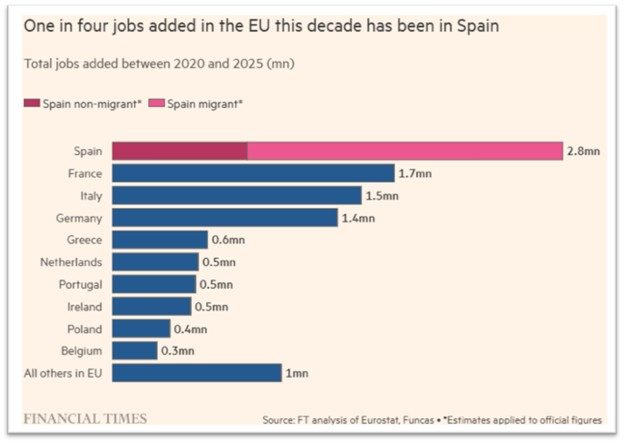
As a student in Spain, you can build networks throughout university through internships, partnerships and work experience, all of which could increase your job opportunities post-graduation.
TOEFL iBT: The English Proficiency Test for Spain Programs
If you’re looking to study an English taught course in Spain, the TOEFL iBT could be your key to unlocking new opportunities. The TOEFL iBT tests your English skills across Listening, Reading, Writing, and Speaking, while using university-based topics to help prep you for life during and after university.
As of 2026, there’s no minimum TOEFL iBT score in Spain that all universities require. Instead, universities and courses set their own requirements, making it crucial to complete thorough research before placing an application.
Why Spanish Universities Accept TOEFL
The TOEFL iBT gives Spanish universities an indication of your English ability, ensuring you can communicate effectively in a university environment.
The test measures:
- Reading
- Listening
- Speaking
- Writing
When applying to Spanish university courses teaching in English, a strong TOEFL iBT score demonstrates your ability to participate in lectures, discussions, and presentations, as well as your ability to complete academic writing in English.
Before sending your application, always make sure that your chosen university and course accepts the TOEFL iBT.
Undergraduate vs Postgraduate TOEFL Score Ranges
As of January 2026, TOEFL iBT scores are reported on a new 1–6 scale, aligned with the CEFR. During the transition period, your score report will also include a 0-120 overall score.
Since Spanish universities set their own requirements, there is no single score range that applies to every institution and degree.
That said, the following can be used as a general target rather than an admission requirement:
| Program Level | Typical TOEFL Target |
|---|---|
| Bachelor's Degree | 4.5–5.0 |
| Master's Degree | 5.0–5.5 |
| Highly Competitive Programs | 5.5–6.0 |
Actual requirements can be higher or lower. For example, IE University currently lists 5.0 as the new-scale equivalent of its 100 TOEFL minimum for certain programs.
Always check your chosen university's current requirements before applying.
English-Taught Programs & Disciplines
As an international student looking to study in Spain in English, you have a wide range of programs to choose from. Popular options include:
Business and Management
- International Business
- Finance
- Marketing
- Management
- Entrepreneurship
- Economics
Engineering and Technology
- Computer Science
- Artificial Intelligence
- Engineering
- Data Science
- Renewable Energy
- Telecommunications
International Relations and Social Sciences
- International Relations
- Political Science
- European Studies
- Economics
- Development Studies
Tourism, Hospitality and Creative Industries
- Tourism Management
- Hospitality
- Marketing
- Fashion
- Design
Step-by-Step Guide to Studying in Spain
If you’ve decided you want to study in Spain, here are 6 steps to increase your chances of finding and being accepted by your dream university and program.
Step 1: Research Universities and Programs
Start by researching universities and finding a program that matches your academic goals. After finding universities, use their official website to look at:
- Degree programs
- Language of instruction
- Entry requirements
- TOEFL iBT requirements
- Tuition fees
- Application deadlines
- Location
If you’re unsure where to start, SEPIE provides access to official tools to help you find your dream Spanish university and course.
Step 2: Check Entry Requirements
Each institution sets its own entry requirements. In general, you will need to show:
- Academic transcripts
- Degree certificates
- Passport
- CV
- Motivation letter
- References
- Proof of English proficiency
- Additional admissions tests
Step 3: Submit Your University Application
Since Spanish institutions manage their own admissions processes, application methods and deadlines vary.
Some programs accept direct applications through the university, while others require additional procedures depending on the applicant's background and nationality. To make your application as smooth as possible, make sure you give yourself enough time to obtain your official documents.
Step 4: Take the TOEFL iBT Test
If your program requires English-language certification, complete your TOEFL iBT test well in advance of your application deadline.
Taking it early gives you time to:
- Prepare with confidence
- Receive your score in time
- Retake the test if necessary
- Send your official results
Step 5: Receive Your Admission Decision
If your application is successful, you'll receive confirmation from the university.
Before accepting your place, take the time to review:
- Tuition fees
- Enrolment deadlines
- Payment requirements
- Accommodation options
- Visa requirements
Step 6: Apply for Your Student Visa
As an international student you will need a Spanish student visa. As part of your student visa application, you may need to provide:
- Passport
- University acceptance letter
- Proof of enrolment/payment
- Proof of financial means
- Health insurance
- Other supporting documentation
Requirements can vary by nationality and consulate, so always check the Spanish consulate responsible for your application.
Scholarships for International Students in Spain
As an international student, financial aid can have a significant impact on your university experience. This is where scholarships can help. There are a wide range of scholarships for international students in Spain, with eligibility varying depending on nationality residency status, your chosen university, and program. Here are a few scholarship options you can consider.
Spanish Government Scholarships
Spain's Ministry of Education offers a general scholarship program covering university bachelor's and master's studies for eligible students. This scholarship includes tuition support, income-based funding, resident support, and academic-excellence payments. Eligibility rules for non-EU students vary based on your residency status, and therefore you should carefully check the eligibility rules before looking for government funding.
University Scholarships
Many Spanish universities have their own scholarship and financial-aid programs based on financial needs, nationality, academic performance, and extracurricular achievements.
Erasmus+
As an international student, you may be eligible to receive Erasmus+ funding, with opportunities available for higher education mobility and international cooperation.
How TOEFL iBT Scores Can Strengthen Scholarship Applications
A strong TOEFL iBT score can strengthen your academic profile when applying for English-taught programs. A competitive score showcases your English skills and shows that you’re prepared for an English-medium academic environment, thus helping you potentially stand out when applying for a scholarship.
Cost of Studying in Spain
The cost of studying in Spain can vary depending on your university, program, and city. Public universities generally offer lower tuition than private institutions, though fees vary based on your course and university.
Tuition Fees
As a broad guide:
| Institution Type | Typical Cost |
|---|---|
| Public University | Approximately €700–€1,500+ per year for many undergraduate programs |
| Private University | €5,000–€20,000+ per year |
| Business/Highly Specialized Programs | Can exceed €20,000 per year |
These figures are indicative rather than universal. Always check your specific university and program before sending your application and budget.
Living Costs
Besides the cost of your degree, you need to consider your monthly and everyday living costs.
Typical expenses include:
- Rent
- Food
- Transport
- Utilities
- Health insurance
- Study materials
- Personal expenses
Larger cities like Madrid and Barcelona tend to have higher living costs, while cities like Valencia and Seville can offer lower living costs.
To manage your expenses, it’s important to create a monthly budget to prevent unexpected financial stressors.
Can International Students Work While Studying in Spain?
While studying in Spain international students can work, though this is subject to the conditions of your visa. For non-EU/EEA students, current Spanish guidance allows higher-education students to work, including self-employment, where the activity is compatible with their studies and does not exceed 30 hours per week.
Common student jobs in Spain include:
- Hospitality
- Retail
- Tutoring
- Customer service
- Administrative work
- Internships
Working while studying is a great way to gain real-world experience while supporting everyday expenses. That said, you need to make sure your work remains compatible with your academic commitments and visa conditions.
How to Prepare for the TOEFL iBT Test
If you're planning to study in Spain in English, you need to start your TOEFL iBT preparation for Spain well in advance of your application deadline. This involves understanding the test format, taking advantage of free practice tests, and booking your test to ensure you get a spot that suits you.
While there are a wide range of resources available, we always recommend using official TOEFL prep. This prep was created by the same people who make the test, ensuring you’re prepared as possible for what comes up on test day.
You can find all our official TOEFL iBT test prep here: https://www.ets.org/toefl/test-takers/ibt/prepare.html
Top Tip: Don’t simply aim for the minimum TOEFL score your chosen Spanish university requires. A higher score can give you more options and help you stand out during your application process.
FAQs
Do I need the TOEFL iBT to study in Spain?
Not always. If you’re applying to an English-taught program, you’ll likely need to demonstrate your English proficiency, though each university decides its own requirements. Always search these requirements in advance before sending your application.
What is the minimum TOEFL iBT Score Spain universities require?
There is no universal minimum TOEFL iBT score all Spanish universities use. The requirements will vary by institutions and programs, making it important to check the scores before applying.
How do I send TOEFL scores to Spanish universities?
The process depends on the university you’re applying to. While some institutions require official scores to be sent from ETS®, others may let applicants upload documentation during the application process. Always check your university's admissions instructions before sending your results.
Which universities in Spain accept TOEFL?
A number of Spanish universities and institutions accept the TOEFL iBT for relevant programs, although the exact requirements vary by course. You can use our official TOEFL destination search to find institutions in Spain that accept TOEFL scores, then confirm the requirements using their official websites.
Are scholarships available for TOEFL test takers?
Yes. There are scholarships available for international students in Spain, including government, university and Erasmus+ opportunities.
Can international students work in Spain?
Yes. International students can generally work alongside their studies, subject to their immigration conditions. For higher-education students, current Spanish rules allow employment or self-employment compatible with studies up to 30 hours per week.
Where Could Studying in Spain Take You?
Choosing to study in Spain gives you the chance to earn an internationally recognized qualification, while experiencing one of Europe’s cultural hotspots. From the bustling streets of Barcelona to the holiday hotspots of the Costa Del Sol, you can immerse yourself in a wide range of cuisines, cultures, and experiences.
With the number of English-taught courses growing annually, the number of opportunities to study in Spain in English is increasing rapidly. That said, before applying make sure you research universities in Spain that accept the TOEFL iBT and compare the TOEFL scores for the Spanish universities you’re considering.
Whether you're interested in business in Madrid, technology in Granada, engineering in Valencia or another field elsewhere in the country, effective TOEFL preparation and careful planning can put you in a strong position to unlock new opportunities to start your next chapter.


Copy URL to clipboard
Related

TOEFL Test Prep and Tips
Understanding TOEFL iBT Score Displays in 2026
See FAQs about the TOEFL iBT score scale transition from 0-120 to 1-6 format and what it means for test takers and institutions.
June 11, 2026

TOEFL Test Prep and Tips
How to Study for the TOEFL iBT® test with Music | Tina’s Future Me Calling Album Guide
June 2, 2026
TOEFL Test Prep and Tips
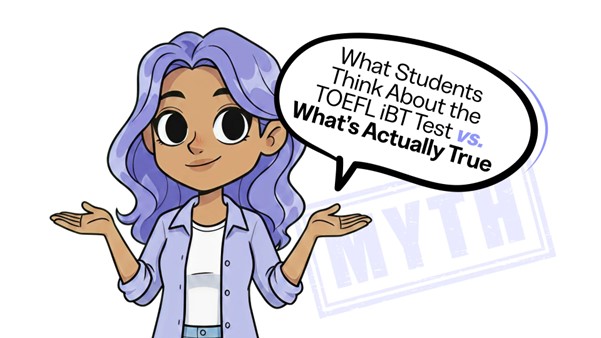
Tina’s Myth-Busters: What Students Think About the TOEFL iBT Test vs. What’s Actually True
May 6, 2026
TOEFL Test Prep and Tips
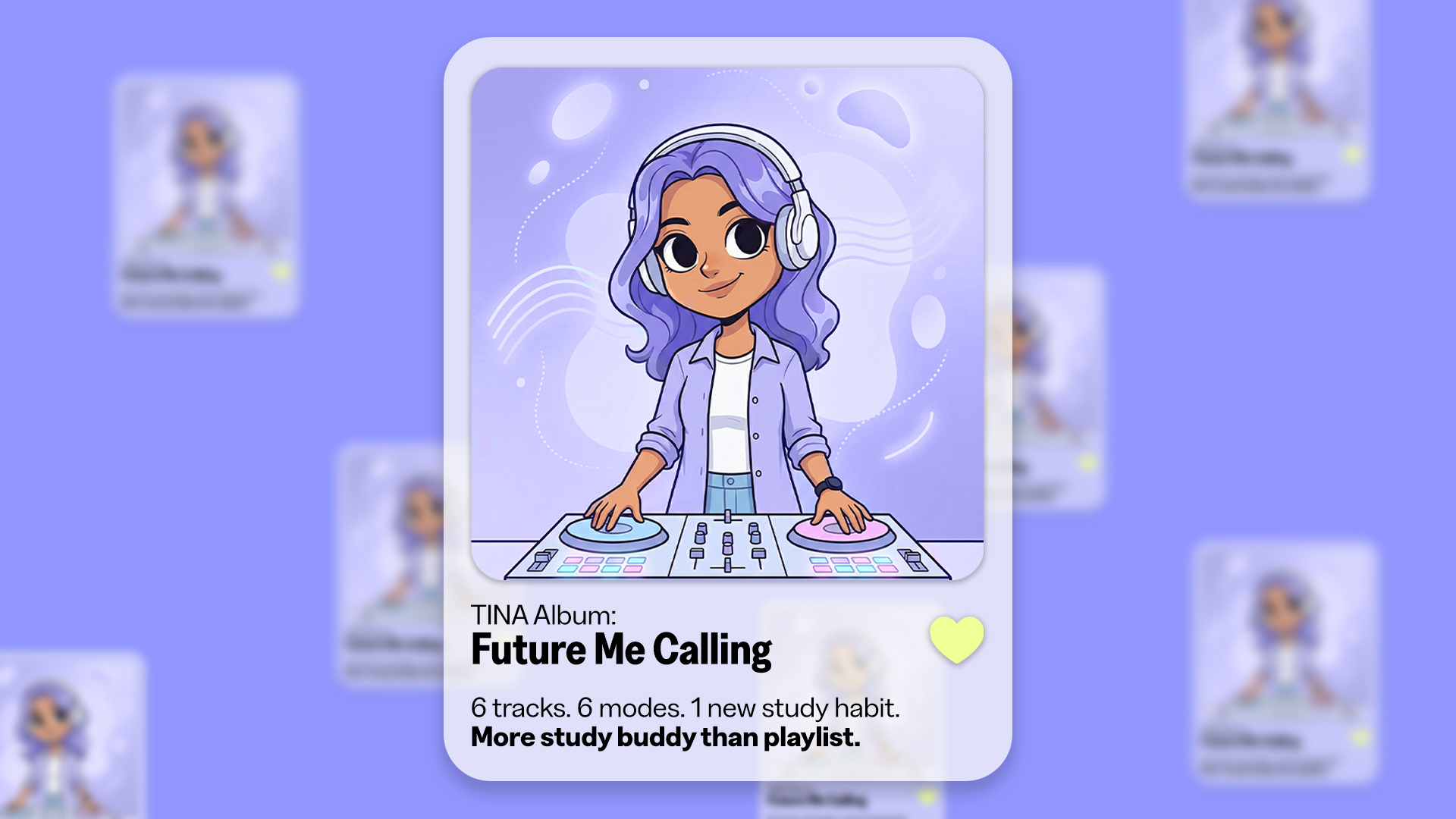
Meet Tina's Study Album: The Playlist That Works Like a Study System
Struggling to focus? Discover Tina’s science-backed study playlist designed to help you enter deep focus and stay productive during TOEFL test prep.
April 21, 2026

TOEFL Test Prep and Tips
The Ultimate 3-Month Study Plan for the TOEFL iBT® test (2026)
Prepare for the TOEFL iBT® 2026 with this complete 3-month study plan. Improve your skills, build confidence, and achieve your target score.
March 31, 2026
TOEFL Test Prep and Tips
Validity by Design: Measuring Academic English That Matters
Explore how TOEFL uses authentic academic tasks and a validity-by-design approach to measure real-world English proficiency.
February 11, 2026
TOEFL Test Prep and Tips
How TOEFL is Evolving to Serve Today’s English Learners
See how TOEFL continues to evolve the TOEFL iBT® test through research-driven innovation, adaptive testing, and modernized academic tasks.
February 6, 2026

TOEFL Test Prep and Tips
How to Reschedule Your TOEFL Exam: A Brief Guide
Learn how to reschedule your TOEFL iBT exam step by step, including deadlines, fees, refund policies, and common reasons for changing your test date.
January 28, 2026

TOEFL Test Prep and Tips
Common TOEFL iBT Mistakes You Should Avoid
Discover the most common TOEFL iBT mistakes students make before and during the test and learn practical strategies to avoid them.
January 21, 2026

TOEFL Test Prep and Tips
TOEFL Home Edition vs Test Center: Which option is best for you?
Breaking down the difference between the TOEFL Home Edition and test center experience
January 6, 2026

TOEFL Test Prep and Tips
20 Proven TOEFL Tips & Tricks to Score 100+
Achieving a top score in your TOEFL exam can open doors to many new opportunities, including admission to top universities, scholarships, and new career options.
November 11, 2025

TOEFL Test Prep and Tips
What Are The Best Tools to Use For Your TOEFL Test
Discover the best tools to prepare for the TOEFL iBT test.
October 7, 2025

TOEFL Test Prep and Tips
How to Feel Confident Going Into Your TOEFL Test
Boost your TOEFL confidence with proven tips, practice strategies, and mindset shifts to perform your best on test day.
August 27, 2025

TOEFL Test Prep and Tips
The Smart Way to Prepare for Your TOEFL Test (Without Burning Out)
Preparing for your TOEFL test? Use these study tips to get the most out of your sessions and avoid burnout.
August 12, 2025

TOEFL Test Prep and Tips
What is the best way to study for TOEFL at home?
Learn effective study strategies for the TOEFL iBT Home Edition. Discover how to create a study schedule, master each test section through targeted practice, and use resources like TOEFL TestReady to build English proficiency and boost your test day confidence.
June 11, 2025

TOEFL Test Prep and Tips
Can I Take My TOEFL Test Online?
Yes! The TOEFL iBT is offered both online, with the Home Edition, and in test centers, allowing test takers to choose where they feel most comfortable.
June 6, 2025

TOEFL Test Prep and Tips
6 Tips for Retaking the TOEFL iBT Test
If you didn’t reach your score objective the first time around, don’t panic – follow these prep tips to help get your best scores.
October 10, 2024

TOEFL Test Prep and Tips
Prepping for TOEFL: The Debate Between Preparation and Cramming
Prepping for TOEFL: The Debate Between Preparation and Cramming
October 10, 2024

TOEFL Test Prep and Tips
10 Tips for Test-taking Anxiety
Learn how to reduce test-taking anxiety and stress as you study to take your TOEFL iBT test.
June 17, 2024